
Forest Carbon
Removing and storing carbon dioxide from the atmosphere
We have been responsible stewards of North American forests for more than 100 years, and we are using the knowledge and expertise our teams have built over generations to develop forest carbon projects that deliver real, measurable and durable climate benefits.
Forests are one of the largest and most efficient solutions for removing carbon dioxide from the atmosphere and mitigating the impacts of climate change. High-integrity forest carbon projects demonstrate the value of working forests as climate solutions and can provide private timberland owners with economic benefits that go beyond traditional harvesting.
That's why we believe scaling the market through the supply of high-quality carbon credits can play an important role in ensuring our forests continue to provide the ecosystem and economic benefits we depend on.
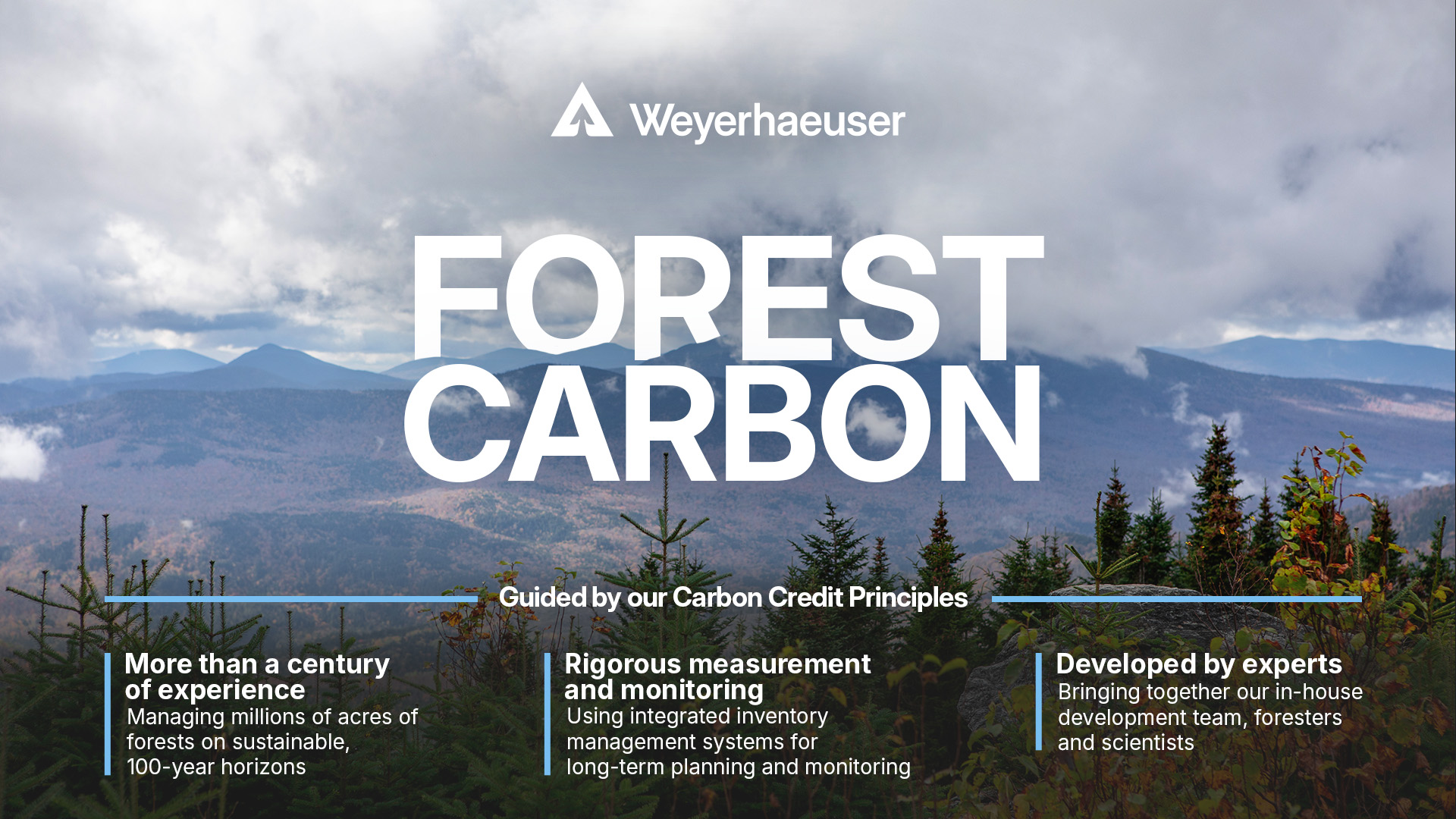
Delivering High-Quality Credits
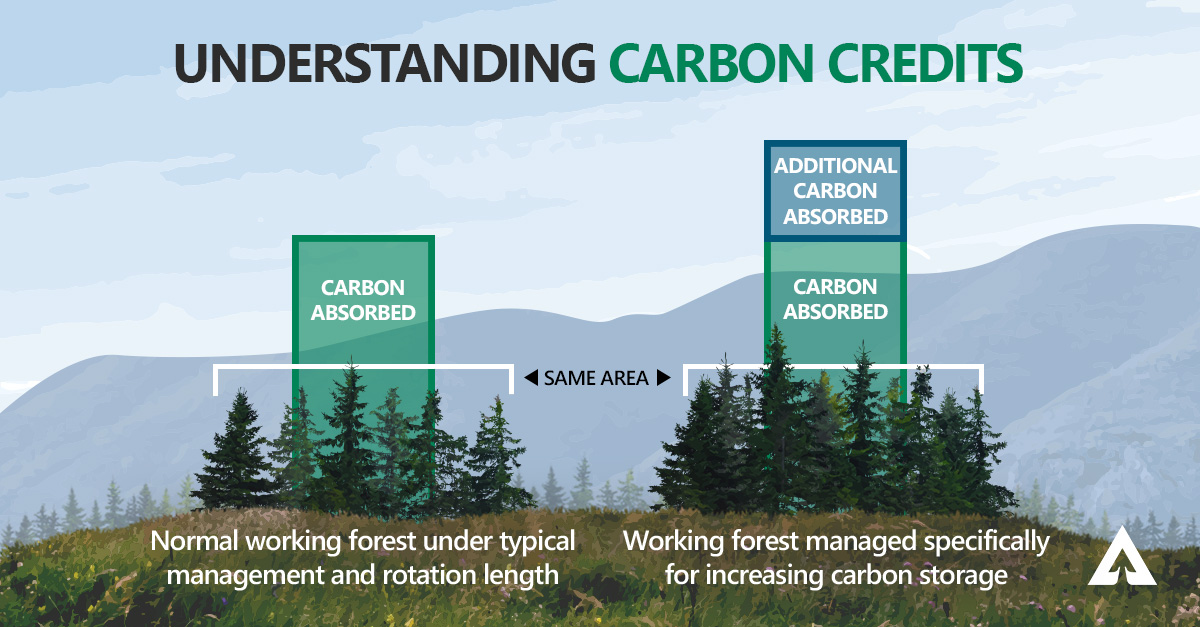
At Weyerhaeuser, we are focused on developing forest carbon projects of the highest integrity and quality to ensure the climate benefits we provide through our working forests are additional, durable and verifiable.
Our in-house team of science and forestry experts develops projects across our 10.4 million acres of sustainably managed forests in the U.S.
Each forest carbon project is developed according to our Carbon Credit Principles to sequester and store additional carbon while maintaining all of the economic and ecosystem benefits within the project area. Learn more about our approach.
Forest Carbon Projects
Our first forest carbon project in Maine received approval in 2023. Since then, we have developed additional projects across the southern U.S.
Navigate to a project by using our interactive map or project portfolio below.
Project Portfolio
At Weyerhaeuser, we are focused on developing forest carbon projects of the highest integrity and quality to ensure the climate benefits we provide through our working forests are additional, durable and verifiable.
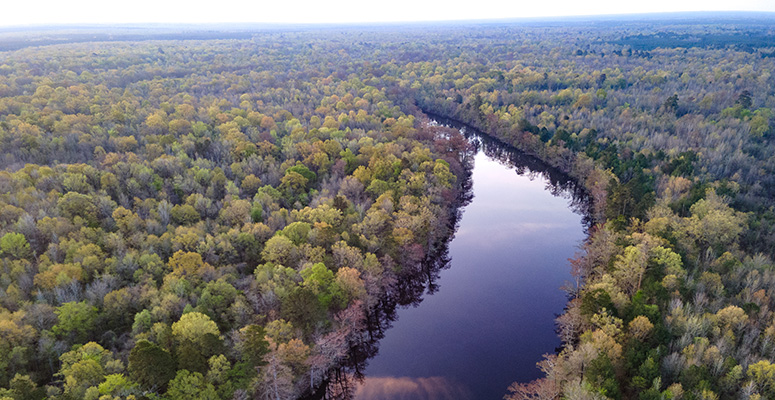
Razorback, ACR885
Project Footprint: 56,800 acres
Project Status: Registered
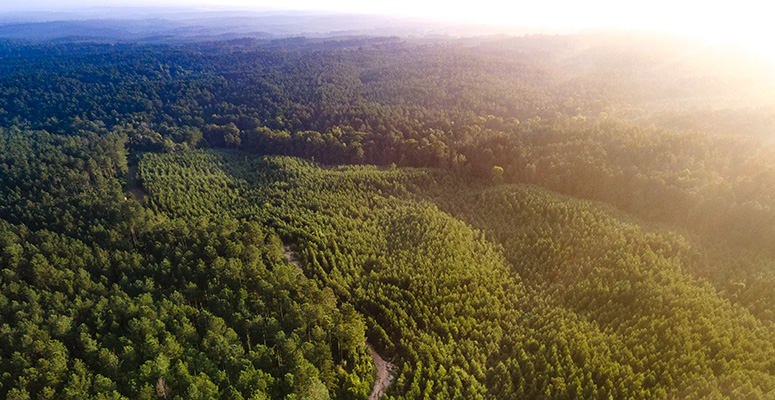
Rosetta, ACR878
Project Footprint: 31,100 acres
Project Status: Registered
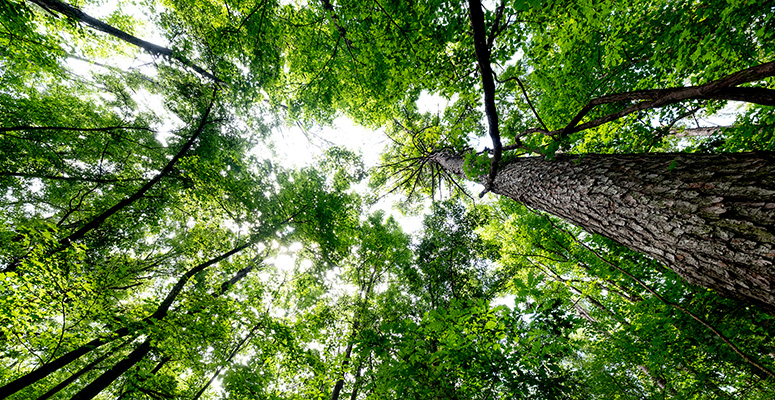
Easthaven, ACR965
Project Footprint: 33,600 acres
Project Status: Registered
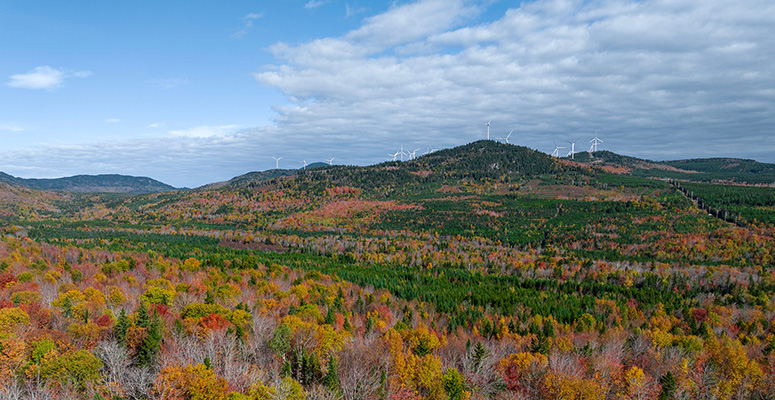
Kibby Skinner, ACR721
Project Footprint: 47,400 acres
Project Status: Registered
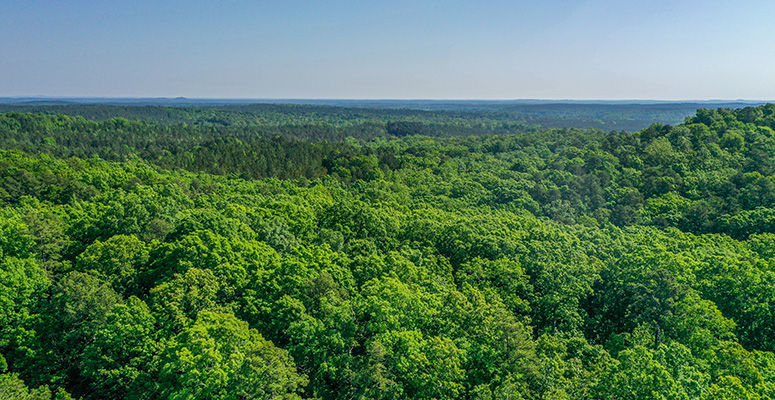
Calabrella, ACR1024
Project Footprint: 34,800 acres
Project Status: Registered
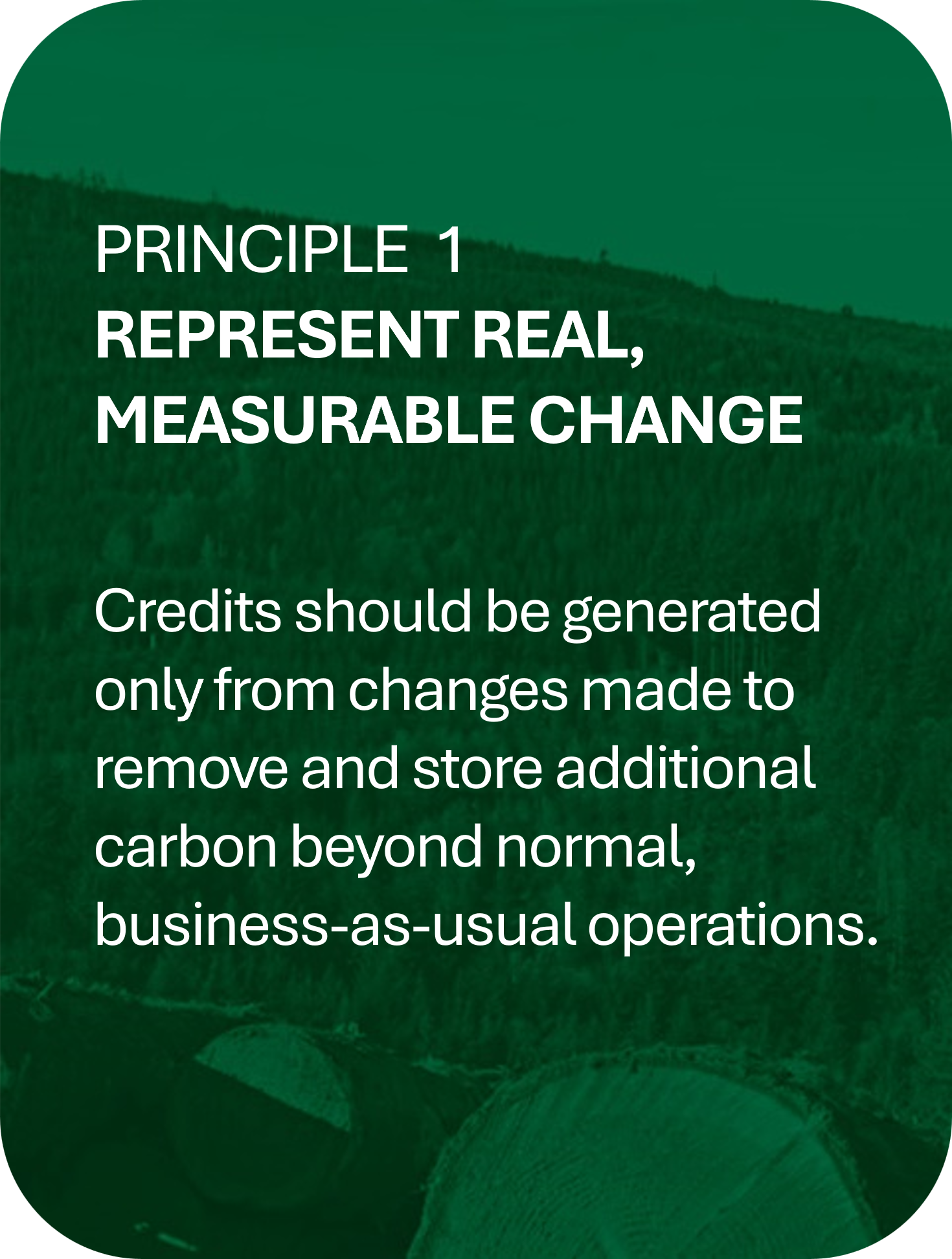
Our Carbon Credit Principles
We believe a credible carbon market, guided by honesty and transparency, provides the right incentives to support natural climate solutions that reduce emissions and remove carbon from the atmosphere. At Weyerhaeuser, we are committed to scaling a trusted carbon marketplace by developing carbon credits that meet the highest standards of integrity and quality. The following principles are fundamental to our carbon credit approach.
How do you choose the locations for forest carbon projects?
We continually evaluate all our land holdings to identify potential project areas. We consider a range of factors in our analysis, such as timberland value, local market pricing, our internal mill requirements and third-party supply obligations to ensure our forest carbon projects provide complementary value to our existing operations.
Can timber harvesting continue when forests are included in a forest carbon project?
Yes, at a reduced level. Our projects are designed to continue providing a sustainable timber supply. We take our obligations to customers seriously and consider local relationships and commitments when designing our forest carbon projects.
How do you determine the historical practice to establish baselines for your projects?
To ensure the long-term sustainability of our working forests, we employ a 100-year planning horizon that guides our harvest levels and silvicultural decisions. This approach leverages decades of operational data and on-the-ground experience that ensures our forests last forever.
Our internal planning systems and benchmarking tools provide a robust framework to review past management practices and set future model constraints effectively. This wealth of experience and a rigorous internal review process allows us to develop transparent baselines that accurately reflect our true business-as-usual scenarios. This approach leads to conservative and credible baselines that reinforce the integrity of our carbon projects.
Highlights
Sustainability Stories - Recapping Climate Week 2025
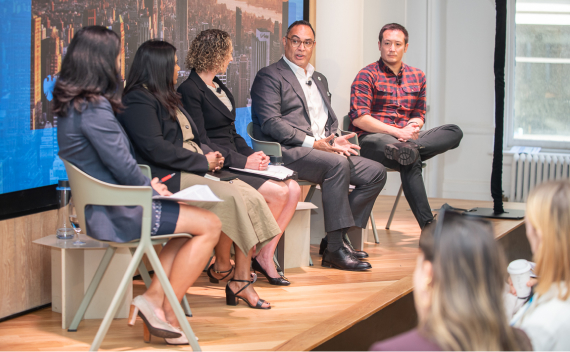
At Climate Week NYC, we highlighted the need for scaling a trusted carbon market and the essential role forests play in mitigating the worst impacts of climate change.
Working Forests Need Working Markets
For much of modern forestry, private timberland ownership has followed a familiar playbook: value was created by optimizing harvest timing to maximize the net present value of timber, within a set of operational and stewardship constraints.
Questions about our forest carbon projects?
Our team is available to share information and answer questions — whether you're just starting or already building a program.
By using this website, you agree to our Privacy Policy. California residents: See our CCPA Privacy Notice for details on what personal information we collect and for what purposes.